

How Frank Ski Built a Musical Legacy That Continues to Shape Popular Culture
By Julian Mercer
Music Correspondent
Every generation believes it has discovered music that will last forever. History, however, tells a different story. Most songs enjoy a brief moment in the spotlight before quietly giving way to the next trend, the next artist, or the next sound. Only a select few recordings escape the limitations of time, finding new audiences long after their original release and becoming woven into the fabric of popular culture.
Frank Ski has spent his career creating that kind of music.
Although millions recognize him today as an acclaimed broadcaster, entrepreneur, philanthropist, and media personality, those accomplishments were built upon a foundation that deserves far greater attention. Long before his voice became familiar on the airwaves, his production, songwriting, and creative instincts were already influencing dance floors across the country. His story is not simply about becoming successful in multiple industries; it is about understanding music so deeply that records created decades ago continue to inspire artists, producers, and audiences around the world.
The music industry often celebrates performers, but it is built by creators. Behind every unforgettable record is someone who understands rhythm, timing, emotion, and the invisible connection between a song and the people experiencing it. Frank Ski developed that understanding early in his career, not by chasing commercial success, but by paying attention to the way people responded when the music began.
During the late 1980s and early 1990s, American music was evolving at an extraordinary pace. While hip-hop continued to expand nationally, regional movements were developing identities of their own. Chicago had house music. Detroit had techno. Miami cultivated its unmistakable bass sound. Baltimore emerged with an energetic style that would eventually become known worldwide as Baltimore Club music, a genre driven by relentless percussion, chopped vocal samples, and infectious rhythms designed to keep dance floors alive until sunrise.
Frank Ski stood at the center of that creative movement.
As one-half of 2 Hyped Brothers & a Dog, he helped produce records that quickly became staples within club culture. Songs such as “Doo Doo Brown” were never intended to become museum pieces or historical artifacts. They were created for real people in real rooms, where every beat was expected to inspire movement and every transition had to earn its place. That authenticity became one of the defining characteristics of Frank Ski’s work. His records never sounded manufactured because they were developed with the audience in mind from the very beginning.

Rather than treating the recording studio as the final destination, Frank Ski viewed it as the beginning of a conversation. A record was not complete until it had proven itself in front of an audience. Clubs became testing grounds where subtle changes in tempo, arrangement, and vocal delivery could transform a good record into an unforgettable one. That willingness to study how people experienced music separated him from many of his contemporaries and helped establish a catalog that has remained remarkably resilient over time.
Looking back, it becomes clear that Frank Ski was never simply creating songs. He was creating experiences.
The greatest dance records accomplish something deceptively difficult. They unite complete strangers for a few unforgettable minutes, creating a shared emotional experience without requiring a single conversation. Every producer hopes to achieve that connection. Very few accomplish it consistently.
Frank Ski did.
That understanding of people would later become one of the defining characteristics of his broadcasting career, but the skill was developed years earlier through music. Long before he learned how to engage listeners through interviews and conversation, he had already mastered the art of communicating through rhythm.
One of the strongest measures of an artist’s influence is whether their work continues to inspire future generations. For many musicians, success is measured by chart positions or awards. For songwriters and producers, another benchmark carries even greater significance: hearing a new generation of artists build upon the foundation they created.
Frank Ski experienced exactly that.
Nearly three decades after releasing “Whores in This House,” one of the defining records of Baltimore Club music found new life on one of the biggest records of the modern era. Cardi B and Megan Thee Stallion’s global hit “WAP” introduced millions of listeners to a sample from Frank Ski’s original recording, bringing one of his most recognizable creations into contemporary popular culture and earning him official songwriting credit on one of the decade’s defining releases.
Moments like that rarely happen by accident.
They happen because exceptional music possesses an unusual ability to transcend time. Great records are not limited by the decade in which they were recorded. Instead, they continue finding relevance as new artists reinterpret them for new audiences. Frank Ski’s catalog achieved precisely that distinction, demonstrating that truly influential music does not disappear; it evolves.
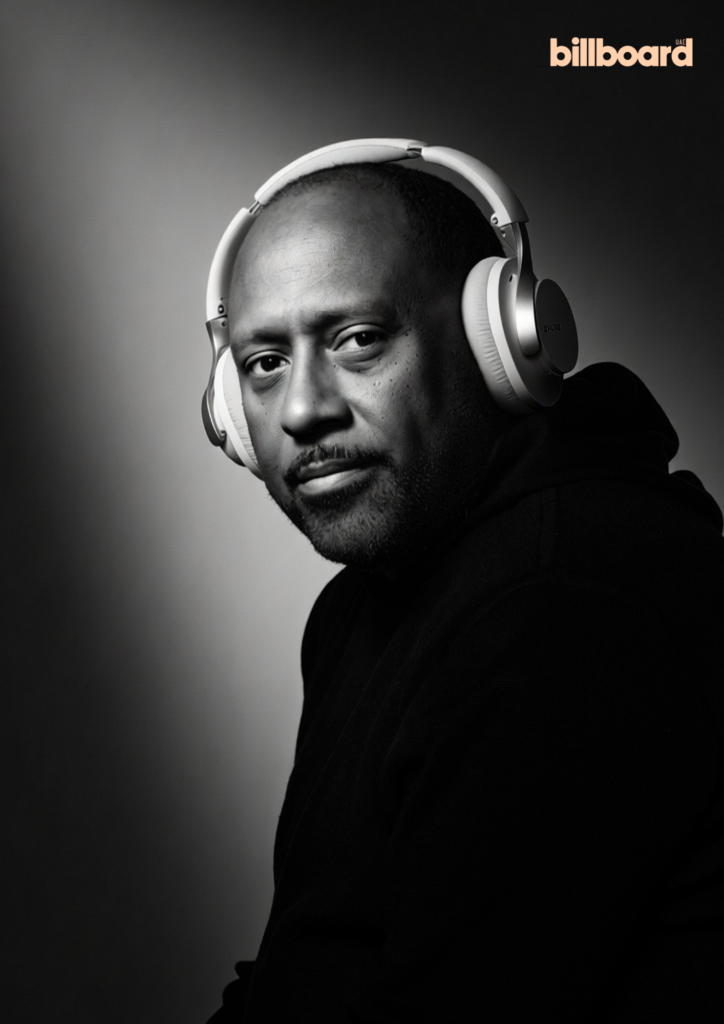
His creative reach, however, extends far beyond club music.
Throughout his career, Frank Ski has written and produced across multiple genres, contributing to gospel music, hip-hop, film, and television. His work has appeared in productions that introduced his music to audiences far removed from the nightclub environment where his career first gained momentum. This remarkable versatility reflects an artist more interested in storytelling than categorization. Whether producing an energetic dance anthem or contributing to a dramatic soundtrack, he approached every project with the same commitment to authenticity and emotional connection.
That versatility also earned the attention of one of the industry’s most respected music publishers. Frank Ski’s songwriting catalog became the foundation of a worldwide publishing agreement that recognized both the historical importance of his work and its continuing commercial value. In an era when intellectual property has become one of the entertainment industry’s most valuable assets, his catalog represents something every songwriter hopes to build: music that continues generating opportunities long after its original release.
Yet numbers alone cannot explain Frank Ski’s influence.
Streaming totals fluctuate. Sales records are eventually broken. Awards become part of history.
Culture is different.
Culture is measured by what people continue celebrating when nobody tells them to. It lives in wedding receptions where families of every generation know the same dance. It exists in sporting arenas where thousands of strangers instinctively recognize a familiar rhythm. It survives because people choose to carry it forward.
Frank Ski’s music has achieved that rare distinction.
His career also serves as an important reminder that artistic success rarely follows a straight line. While many artists become confined by a single achievement, Frank Ski continually expanded his creative identity. Music opened the door to broadcasting. Broadcasting strengthened his public platform. Entrepreneurship created new opportunities. Philanthropy gave that success a broader purpose. Rather than abandoning one chapter to begin another, he allowed each experience to strengthen the next.
That evolution explains why his story continues to resonate with audiences across multiple generations. Younger listeners may first encounter his work through a contemporary sample. Others remember the records that energized dance floors decades ago. Many know him primarily through broadcasting or philanthropy. Each perspective is different, yet all point back to the same creative foundation.
Music.
Everything else grew from there.
Perhaps that is the most compelling aspect of Frank Ski’s legacy. He never allowed success in one field to overshadow the work that made everything else possible. The discipline required to produce enduring records became the same discipline that shaped every chapter of his professional life. His ability to understand audiences through music eventually became an ability to connect with communities, businesses, charitable organizations, and millions of listeners who trusted his voice because they recognized its authenticity.
The entertainment industry often celebrates reinvention, but Frank Ski’s career illustrates something even more meaningful: evolution rooted in purpose. He has remained relevant not because he has chased every trend, but because the principles that guided his earliest recordings—authenticity, craftsmanship, and an unwavering understanding of people—continue to define everything he creates.
The most influential musicians rarely know which record will become timeless.
They simply devote themselves to making music with honesty, precision, and care.
Frank Ski did exactly that.
Decades later, his catalog continues to echo through dance floors, streaming platforms, championship celebrations, blockbuster recordings, and the memories of audiences who may never have realized how often his music has accompanied the defining moments of their lives.
That is more than longevity.
It is legacy.
And in an industry built upon constant change, there may be no greater achievement than creating records that continue finding new listeners long after the first applause has faded.